
A Step-by-Step Guide to Professional Concrete Removal
Removing concrete might sound like a tough job, but with the right approach, it’s totally doable. Whether you’re clearing space for a new patio, fixing a cracked driveway, or prepping a site for construction, knowing how to tackle concrete removal can save you time, money, and a lot of headaches. I’m here to walk you through the process, step by step, so you can get the job done efficiently and safely.
Why You Should Consider Professional Concrete Removal
Let’s be honest: concrete is tough stuff. It’s designed to last decades, which means breaking it up isn’t exactly a walk in the park. That’s why many folks turn to professional concrete removal services. These pros have the right tools, experience, and know-how to get the job done quickly and cleanly.
Hiring experts means less risk of injury and damage to your property. Plus, they handle the heavy lifting and debris disposal, which can be a real pain if you’re doing it yourself. If you want to save time and avoid stress, professional concrete removal is the way to go.

Tools and Safety Gear You’ll Need for Concrete Removal
Before you start swinging a sledgehammer or firing up a jackhammer, let’s talk tools and safety. Concrete removal isn’t just about brute force; it’s about working smart and staying safe.
Essential Tools:
Sledgehammer: Great for small slabs or thin concrete.
Jackhammer: For thicker, tougher concrete.
Concrete saw: To score and cut concrete into manageable sections.
Pry bar: Helps lift broken pieces.
Wheelbarrow or buckets: For hauling debris.
Shovel: To clear smaller chunks and dust.
Safety Gear:
Safety goggles: Protect your eyes from flying debris.
Ear protection: Jackhammers are loud!
Dust mask or respirator: Concrete dust is no joke.
Heavy-duty gloves: Keep your hands safe.
Steel-toed boots: Protect your feet from falling chunks.
Remember, safety first! Concrete dust can irritate your lungs, and flying debris can cause serious injuries. Don’t skip the gear.
How much does it cost per foot to remove concrete?
Wondering about the price tag? Concrete removal costs can vary quite a bit depending on factors like thickness, location, and disposal fees. On average, you might expect to pay between $2 to $6 per square foot for professional removal.
Here’s a quick breakdown:
Small jobs (driveways, patios): Closer to $2-$4 per square foot.
Thicker slabs or commercial jobs: $4-$6 or more per square foot.
Disposal fees: Some companies charge extra to haul away debris.
Keep in mind, DIY removal might save you money upfront but could cost more in time, effort, and potential injury. Plus, renting equipment like jackhammers can add up fast.
Step-by-Step Process for Removing Concrete Yourself
If you’re feeling adventurous and want to tackle concrete removal on your own, here’s a straightforward plan to follow. Just remember to take your time and prioritize safety.
Step 1: Prepare the Area
Clear the space around the concrete slab. Remove any furniture, plants, or obstacles. Mark the area you want to remove with spray paint or chalk.
Step 2: Score the Concrete
Use a concrete saw to cut the slab into smaller sections. This makes breaking it up easier and more manageable.
Step 3: Break It Up
Start with a sledgehammer for thin slabs or a jackhammer for thicker concrete. Aim for the scored lines to create clean breaks. Work in sections to avoid overwhelming yourself.
Step 4: Remove Debris
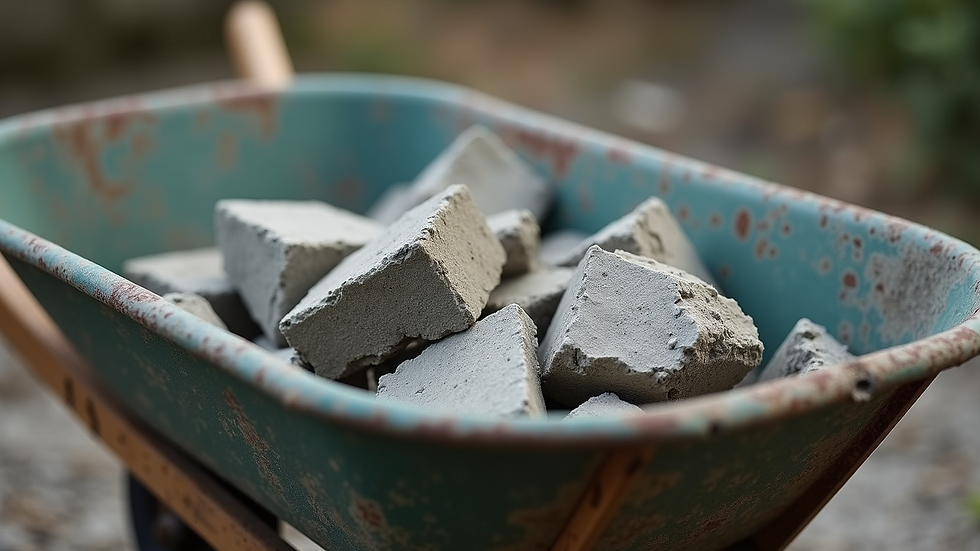
Use a pry bar to lift broken pieces. Load them into a wheelbarrow or buckets for disposal. Keep the area clean to avoid tripping hazards.
Step 5: Dispose of Concrete
Check local regulations for concrete disposal. Some areas have recycling centers that accept concrete, which is better for the environment.
Tips to Make Concrete Removal Easier and More Efficient
Concrete removal doesn’t have to be a nightmare. Here are some insider tips to help you breeze through the process:
Rent the right equipment: Jackhammers and concrete saws can be rented from hardware stores. It’s cheaper than buying and way more effective than manual tools.
Work in cooler weather: Concrete is easier to break when it’s not scorching hot outside.
Take breaks: This is hard work. Give your muscles a rest to avoid injury.
Use water to control dust: Lightly spray water on the concrete while cutting or breaking to keep dust down.
Get help: This job is easier with a buddy. Plus, it’s safer.
When to Call in the Pros
Sometimes, DIY just isn’t the best option. If you’re dealing with a massive slab, concrete under a structure, or if you’re short on time, professional concrete removal services are worth every penny. They bring heavy machinery, expertise, and can handle permits and disposal for you.
If you want a stress-free experience and a job done right the first time, consider reaching out to a trusted company like DemoRex Demolition and Land Clearing. They specialize in efficient, hassle-free land clearing and demolition services that help increase property value and prepare your site for new projects.
Ready to get started? Whether you’re rolling up your sleeves or calling in the pros, this guide has you covered. Removing concrete might seem daunting, but with the right plan and tools, you’ll have that old slab out of the way in no time. Here’s to your next project being smooth, safe, and successful!
For more information on concrete removal, check out DemoRex’s expert services and get your project moving forward today.


Comments